
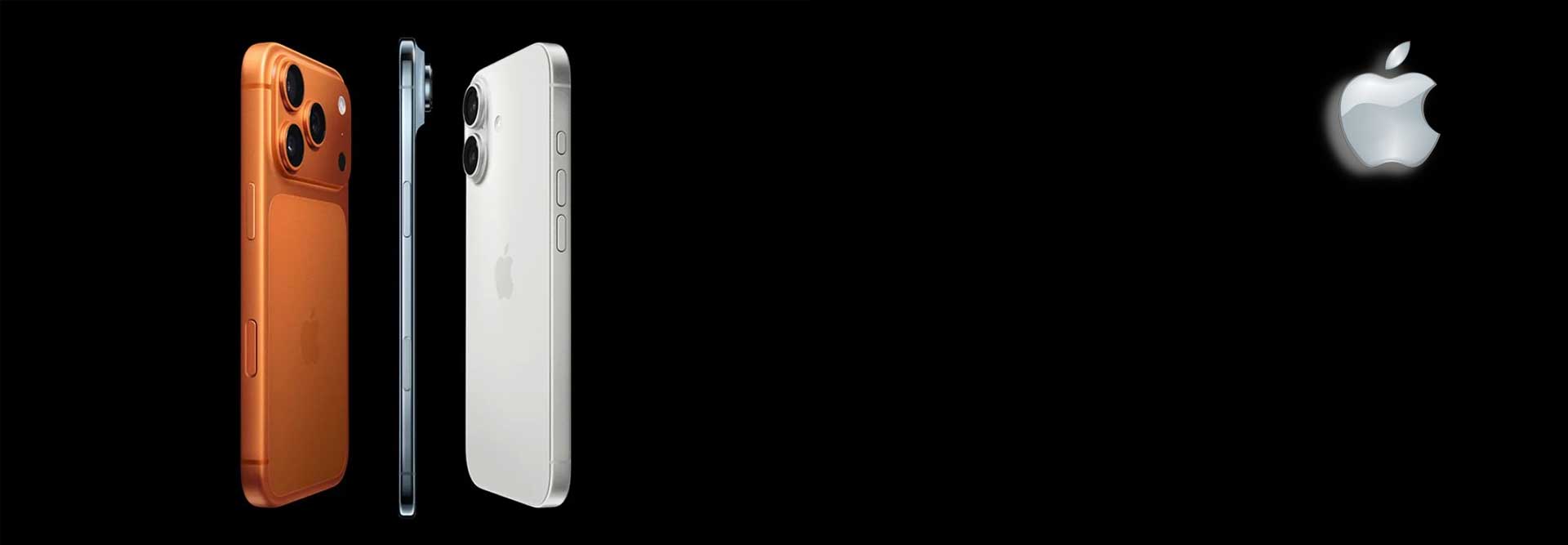
The iPhone is special not because of a single feature, but because of how everything works together. Apple controls the hardware, software, and services, creating a smooth and reliable experience that “just works.” Users don’t need to worry about specifications or constant adjustments, which reduces friction in daily use.
Beyond functionality, the iPhone is a strong status symbol with a powerful brand identity. Apple’s focus on privacy, long-term software updates, and high resale value reinforces trust. In the end, people love the iPhone because it offers simplicity, consistency, and a polished user experience.
Every September, the world pauses as Apple sets the rhythm for the smartphone industry. If smartphones were symphonies, the iPhone would be the orchestra, constantly refining the score through a careful balance of familiarity and surprise.
With the iPhone 17 now in the spotlight, this is more than a routine product launch. It marks another milestone in Apple’s long-standing pursuit of blending premium design with mass accessibility.
Building on the success of our viral Pixel breakdown, this article dives deep into Apple’s evolution, examining hard statistics, sales performance, feature trends, user perception, and overall market impact, bringing the full iPhone story into focus in one comprehensive analysis.
iPhone 13 to iPhone 17: Evolution in Features and Sales
Apple’s last five iPhone generations reveal a consistent pattern of evolution rather than disruption. Each release builds on three core pillars: deeper AI integration, refined industrial design, and tighter ecosystem integration. Instead of radical changes, Apple focuses on incremental improvements that enhance performance, usability, and long-term value, an approach that continues to resonate with its global user base.
From camera intelligence and on-device AI to efficiency gains and ecosystem-driven features, these generations highlight how Apple turns iteration into competitive advantage.
iPhone Sales & Feature Impact Overview (2021–2025)
| Year | Model | Key Features | Estimated Sales (Year 1) | Market Impact |
|---|---|---|---|---|
| 2021 | iPhone 13 | Cinematic Mode, A15 Bionic | 90M+ | Expanded Apple’s creator and video-focused user base |
| 2022 | iPhone 14 | eSIM (US), Emergency SOS via Satellite | 92M | Marked Apple’s first major push into safety-first features |
| 2023 | iPhone 15 | USB-C, Dynamic Island across all models | 95M | Regulation-driven change that gained strong user approval |
| 2024 | iPhone 16 | On-device AI features, Periscope zoom | 98M | Positioned AI and advanced cameras as key selling points |
| 2025 | iPhone 17 | Apple Intelligence 2.0, thinner design | 100M+ (projected) | Reinforces Apple’s leadership in AI-driven design and experience |
This comparison illustrates how feature evolution directly correlates with sustained sales momentum across product cycles.
Aha stat: The iPhone 17 is expected to be Apple’s first iPhone to exceed 100 million units sold in its first year, surpassing the iPhone 6 sales record set in 2014.
The SE Series: Apple’s Affordable Masterstroke
The iPhone SE series has long served as Apple’s entry point into its ecosystem, particularly in price-sensitive markets. By offering core iPhone performance at a lower cost, the SE models have attracted first-time Apple users and expanded Apple’s global reach.
Adoption Snapshot: SE vs. Flagships
- iPhone SE (2016): 30M units sold
- iPhone SE (2020): 24M units sold
- iPhone SE (2022): 21M units sold
While flagship models consistently outsell the SE line, the SE plays a critical strategic role. Surveys indicate that 68% of SE buyers eventually upgrade to flagship iPhones, making the series a powerful funnel into Apple’s premium lineup.
iPhone 13 (2021): The Dependable Crowd Favorite
The iPhone 13 was a study in refinement rather than reinvention. With subtle design updates, a brighter display, improved cameras, and the A15 Bionic chip, it delivered meaningful upgrades without radical change. Sales performance told the real story: over 200 million units shipped, placing it among Apple’s most successful iPhones.
Its standout strength was longevity. Even in 2025, the iPhone 13 retains approximately 65% of its resale value after two years. Customer sentiment echoed this durability, with 9 out of 10 users praising battery life improvements. Not revolutionary, but a benchmark iPhone that continues to hold its ground.
iPhone 14 (2022): The Controversial Sibling
The iPhone 14 drew criticism for feeling “too similar” to the iPhone 13. Despite this, it quietly introduced meaningful innovations, including Emergency SOS via satellite and Crash Detection, features that prioritized safety over style.
Sales Performance: Approximately 150 million units, slightly below the iPhone 13.
Market Insight (India): The iPhone 14 struggled to gain traction due to its pricing, with many consumers opting for discounted iPhone 13 models instead.
The lesson? Sometimes practical, survival-oriented features resonate more than flashy upgrades, but pricing strategy can make or break adoption in competitive markets.
iPhone 15 (2023): The USB-C Era Begins
The iPhone 15 marked a major pivot for Apple. It finally adopted USB-C, extended the Dynamic Island to non-Pro models, and upgraded to a 48MP main camera, elevating the user experience without the Pro price tag.
Global Sales: ~180 million units
Regional Insight (India): The iPhone 15 outperformed the iPhone 14, driven by festive discounts and local assembly reducing costs, making it more accessible to a wider audience.
Customer Buzz: “Feels like a Pro without paying Pro.”
Key Takeaway: The combination of USB-C, camera improvements, and smart pricing positioned the iPhone 15 as the sweet spot in Apple’s lineup, appealing to both new buyers and upgraders.
iPhone 16 (2024): The Gaming Push
With the iPhone 16, Apple doubled down on AI-enhanced performance and the A17 Pro chip, positioning the device as a gaming powerhouse. The slightly larger screens, periscope zoom on the Pro Max, and AI-focused marketing helped it stand out in a crowded market.
Global Sales: ~160 million units
Criticism: Higher launch price ($899 base) drew some pushback.
India Insight: Early signs of a demand shift—premium segment growth doubled year-over-year.
Key Takeaway: Apple showcased its technological muscle, appealing to gamers and power users, but the steeper pricing tested consumer loyalty in competitive markets.
iPhone 17 (2025): Apple’s AI Superstar
The iPhone 17 represents Apple’s most ambitious leap since the iPhone X. Equipped with the A18 Neural chip, advanced on-device AI features, and 24-hour real-world battery life, it signals a bold step toward the AI-powered smartphone future.
The base iPhone 17 is the “smart choice” because it is the “first base model in years that feels like a real jump” due to its 120Hz display and camera upgrades.
– From a Tech Review
Milestones in the Global iPhone Journey: From Luxury to Mass Prestige
Apple’s iPhone story is not just about design—it’s about reshaping the entire smartphone market:
- 2007–2012: iPhone redefined mobile computing, dominating premium segments in the U.S. and Europe. By 2012, Apple held ~20% of the global smartphone market.
- 2013–2016: Growth plateaued as Android expanded in mid-range markets. Apple focused on ecosystem stickiness (App Store, iCloud, Apple Music).
- 2017–2019: iPhone X introduced Face ID and OLED displays, establishing Apple as a design leader. Market share stabilized at ~15% globally, but Apple commanded over 60% of the premium segment.
- 2020–2022: Supply chain resilience across the U.S., China, India, and Vietnam helped Apple weather COVID disruptions. iPhone 12–14 series drove global 5G adoption. Apple overtook Samsung as the #1 smartphone brand by revenue in 2021.
- 2023: iPhone 15 adopted USB-C to comply with EU regulations—a global shift. Apple shipped ~235M iPhones, securing ~20% of global unit share.
- 2024–2025: iPhone 16 and 17 emphasized AI-driven features, positioning Apple as an AI-first brand. Analysts expect Apple’s global smartphone revenue share to remain above 40% in 2025, even if Android OEMs ship more units.
Key Takeaway: Apple’s strategy has never been about owning the most units; it’s about commanding the highest value per user. Today, iPhones dominate the premium segment worldwide, setting expectations for AI innovation, design excellence, and ecosystem integration.
After-Sales Service: Apple’s Silent Strength
Apple’s after-sales service has quietly become one of its most important advantages, addressing earlier complaints about limited repair options and high costs. Key initiatives include:
Self-Repair Program (2022): Advanced users can now access DIY parts and repair guides.
Trade-In Schemes: Users save up to 40% on upgrades, making device replacement more accessible.
Expanded Service Network in India: Over 100 new service points established by 2025.
Evolution Timeline:
- Pre-2020: Limited service centers, high repair costs.
- 2022: Trade-in programs expanded globally.
- 2023: Self-Repair program rolled out internationally.
- 2025: AppleCare+ adoption reaches record highs in India and Europe.
Key Takeaway: Apple’s service ecosystem is no longer just support; it’s an integral part of the overall value proposition, reinforcing loyalty and long-term brand trust.
Final Word: Apple’s Mass-Prestige Balance
The iPhone story is a masterclass in balancing prestige with accessibility. Flagship models showcase luxury, cutting-edge design, and AI-powered innovation, while older models and the SE series drive mass adoption, particularly in price-sensitive markets.
With the iPhone 17, Apple has reset the AI conversation, reinforcing its position as both a tech leader and a lifestyle brand. Add after-sales support and a tightly integrated ecosystem, and Apple keeps customer satisfaction and loyalty exceptionally high.
- In the U.S., the iPhone remains a style icon.
- In India, it has evolved from aspiration to reality.
- Globally, it is both a premium statement and a smart long-term investment.
The big question now: Will the iPhone 18 introduce foldables, or will Apple double down on AI?
Your Turn: What was your first iPhone memory? Are you upgrading to the iPhone 17? Share your thoughts below!

Skillz Middle East makes Digital Transformation happen for you. The world is looking into AI, VR/AR, IoT, and other emerging technologies. We sometimes forget to put humans in the center of our focus. If you want to make technology your assistant, rather than be controlled by it, we are the perfect partner for you.






Recent Comments